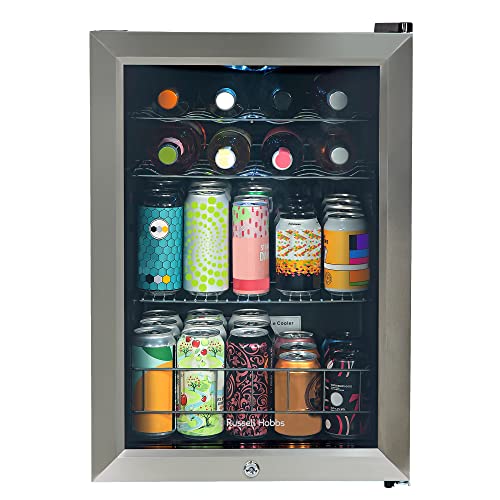
The Comprehensive Guide to Wine Coolers: Storing Your Vino Right
Wine, frequently described as the "nectar of the gods," is more than simply a beverage; it embodies tradition, culture, and a refined taste buds. For fanatics and casual drinkers alike, the proper storage of wine is important to maintain its quality and flavor. This is where a wine cooler comes into play.
What is a Wine Cooler?
A wine cooler, also referred to as a wine fridge, is a customized home appliance developed to keep wine at constant temperature levels and humidity levels, guaranteeing that the wine matures gracefully. Unlike traditional refrigerators, which can be too cold and dry for wine storage, wine coolers are customized to the specific requirements of different kinds of wine, including reds, whites, and champagnes.
Secret Features of Wine Coolers
When thinking about a wine cooler, numerous functions enter into play:
| Feature | Description |
|---|---|
| Temperature level Control | The majority of systems allow you to set specific temperatures tailored to the kind of wine. |
| Humidity Control | Keeps the best level of humidity to prevent cork drying out and oxidation of the wine. |
| UV Protection | Many coolers have tinted glass that obstructs UV rays which can ruin wines. |
| Vibration Reduction | Higher-end models use compressor systems that decrease vibrations to avoid wine disruption. |
| Capability Options | Whether you're a collector or a casual drinker, there are units that can hold anywhere from 6 to hundreds of bottles. |
Types of Wine Coolers
When choosing a wine cooler, it is important to comprehend the different types offered in the market. Here is a classified breakdown:
Freestanding Wine Coolers
- Description: As the name recommends, these units are developed to stand alone.
- Pros: Many designs and savings in terms of expense; can fit well in kitchen areas, living rooms, or dining areas.
- Cons: They need adequate area and can be less energy-efficient.
Built-In Wine Coolers
- Description: These are developed to be integrated into existing cabinetry or kitchen space.
- Pros: Customizable, space-saving, and typically more visually pleasing.
- Cons: More expensive and may require professional installation.
Thermoelectric Wine Coolers
- Description: Using thermoelectric technology, these coolers do not have moving parts and depend on cooling components.
- Pros: Quieter operation and lower energy intake.
- Cons: Less efficient in severe temperatures and more ideal for short-term storage.
Compressor Wine Coolers
- Description: These run likewise to basic fridges with a cooling compressor.
- Pros: Reliable and maintain constant temperatures; effective for long-term storage.
- Cons: Generate vibration and sound, which may impact wine quality.
Why Invest in a Wine Cooler?
Buying a wine cooler provides various advantages for any wine enthusiast, consisting of:
- Improved Taste and Quality: Proper storage conditions ensure that wine is kept at its best, affecting its taste and scent positively.
- Durability: Wine can be saved for many years, potentially increasing its worth if saved properly.
- Convenience: A devoted space for your wine collection offers easy gain access to and company.
- Impress Guests: An elegant wine cooler can be a centerpiece in your house and impress going to family and friends.
Care and Maintenance of Wine Coolers
To prolong the life and performance of a wine cooler, routine upkeep is essential. Here are some important ideas:
- Maintaining Temperature: Regularly inspect to ensure that the cooler is keeping the desired temperature.
- Cleaning up: Wipe down the interior and outside of the cooler with a non-abrasive cleaner and soft cloth.
- Check Seal: Regularly inspect the door seals for cracks or damage to ensure correct insulation.
- Humidity Levels: Use a hygrometer to keep an eye on humidity levels; ideally, they need to be around 60-70%.
- Placement: Avoid exposing the cooler to direct sunlight or placing it near heat sources, which can affect temperature regulation.
FAQs About Wine Coolers
1. What is the perfect temperature range for keeping wine?The ideal
temperature level for storing red wine is in between 55 ° F to 65 ° F, while gewurztraminer must be kept at a cooler temperature, around 45 ° F to 55 ° F. Sparkling white wines typically perform best at around 40 ° F to 50 ° F. 2. How much wine can a cooler hold?Wine coolers can be found in different capacities, from small systems that can hold as few as 6 bottles to larger models efficient in storing 300 bottles or more. 3. Do wine coolers use a lot of energy?Generally, wine coolers are created to be energy-efficient, especially thermoelectric designs. Nevertheless, energy usage might differ based upon the brand name and model. 4. Can I keep other drinks in a wine cooler?Most wine coolers are designed specifically for wine. However, in many cases, it can be
suitable to save other drinks, such as carbonated water or sodas, as long as they don't interfere with the wine. 5. Is it required to keep wine in a cooler if I drink it regularly?Not always. If you regularly consume your wine and do not plan to keep it long-lasting, a wine cooler is less vital than for
somebody who keeps white wines for aging. In conclusion, a wine cooler is an invaluable financial investment for anyone severe about their wine collection. By understanding types, features, and upkeep suggestions, wine enthusiasts can enhance their experience with every bottle opened.
Appropriately saved wine not just protects the stability of the wine but also adds a touch of elegance and benefit to the satisfaction of this classic beverage. Whether picking on the main page or upgrading to a high-capacity design, this guide provides the clearness needed to make the very best option. Cheers to a well-stored bottle of wine!